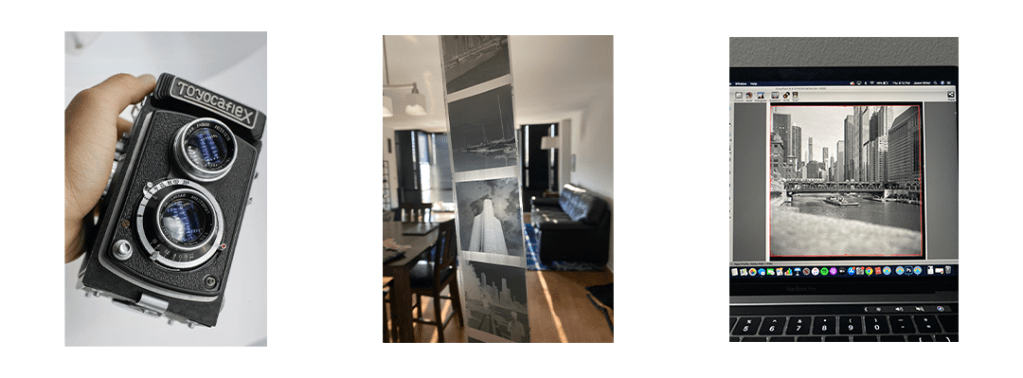
Ah, eBay wins again. Doesn’t it usually, though? If you are a collector of anything, you know that eBay can be your best friend but can also be a black hole. This, however, is another story where eBay took the form of both my best friend and of course the black hole.
I’ve been wanting to purchase my first TLR (twin lens reflex) film camera for a few months now. As someone who has been shooting only 35mm film – I wanted to make the jump up to medium format film (120 format). Going from 35mm film to 120 format film means two things for me: a larger film negative (higher resolution photo scans), and a new camera.
The thing about the wanting to purchase a proper medium format film camera is that it can get pretty expensive for someone on a budget. I mean, we’re talking at least $300 for starter TLR film cameras like a Yashica Mat 124g, any Zenza Bronica model, or Rolleicords. The higher end TLR film cameras can cost upwards of $800 – cameras like the iconic Rolleiflex, Pentax 6×7, or the endlessly hyped Mamiya RZ67 that can cost over $1,000.
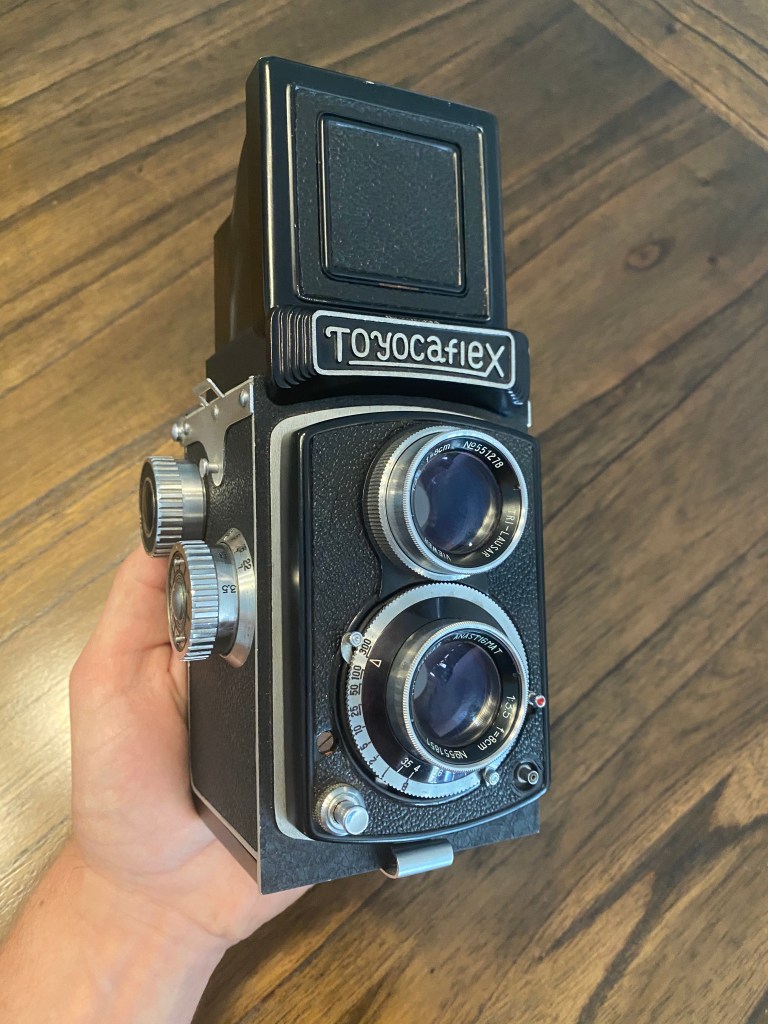
A person on a bit of a budget like myself will do the research and find a diamond in the rough, though. The Toyocaflex came across my phone screen with “$100 Fast and Free” under the listing image and I was intrigued instantly. I had done research on cheaper TLR cameras before but had never come across this one. It looked well built, in good cosmetic condition, and had clean shutter speed/aperture dials. A quick scroll through the #Toyocaflex hashtag on Instagram and Flickr for sample photos and I was sold.
The Toyocaflex was built and sold in 1955. It was developed under the Japanese company Tougodo, and is often considered to be a Rolleicord copy. Read below for the technical breakdown of the camera:
Shutter Speeds: B, 1s, 1/5s, 1/10s, 1/25s, 1/50s, 1/100s, and 1/300s
Lens: 80mm Tri Lausar f/3.5
Format: 6x6 medium format
Viewfinder: Waist Level Viewfinder
Metering: None
Unique Features: Self Timer
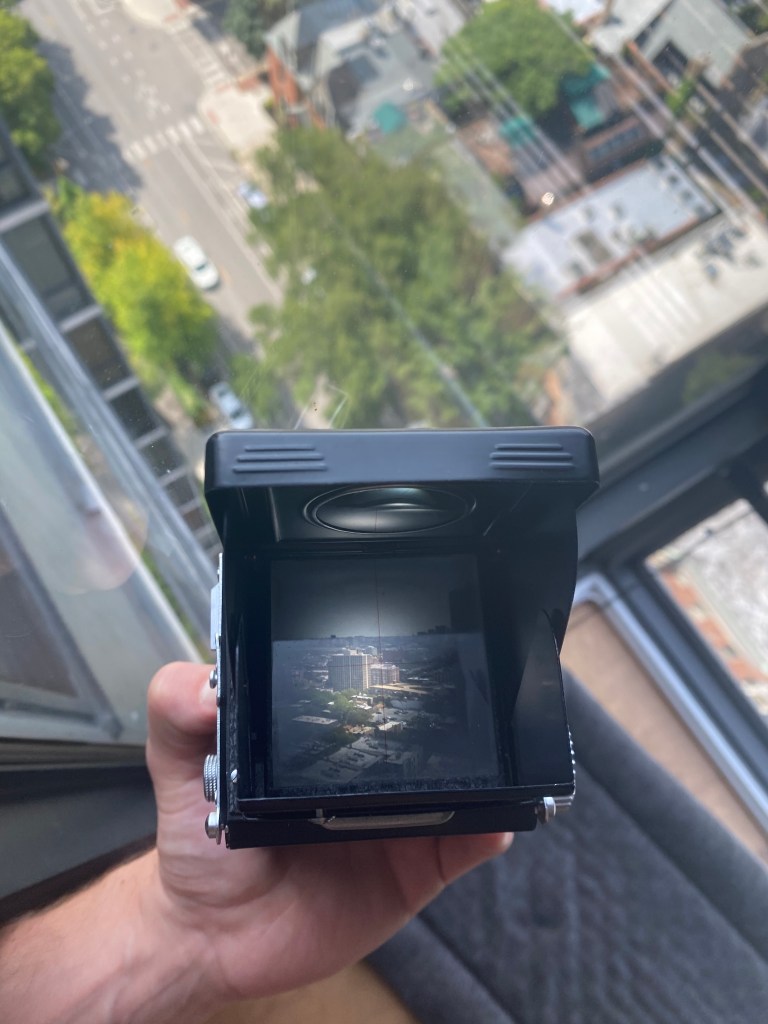
About one hour after the camera arrived at my doorstep I decided to load it with some HP5 and go for a bike ride around the city. This was my first time ever attempting to shoot on a TLR and I was using Sunny 16 metering methods – a recipe for error. After riding for about a mile or two around the area I finished my roll, went home, and developed the roll in my kitchen. Once the roll was dry, I cut it up and loaded it into my film scanner. These were the results.
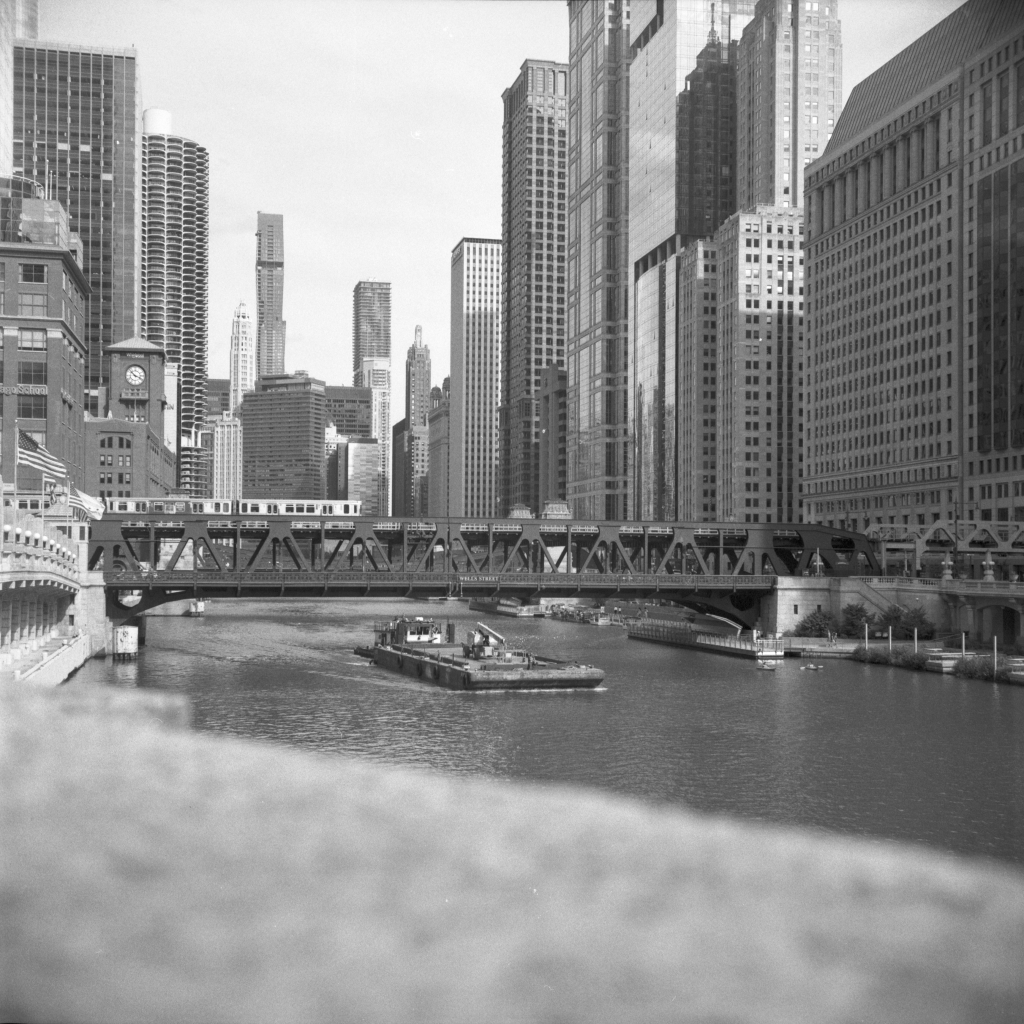
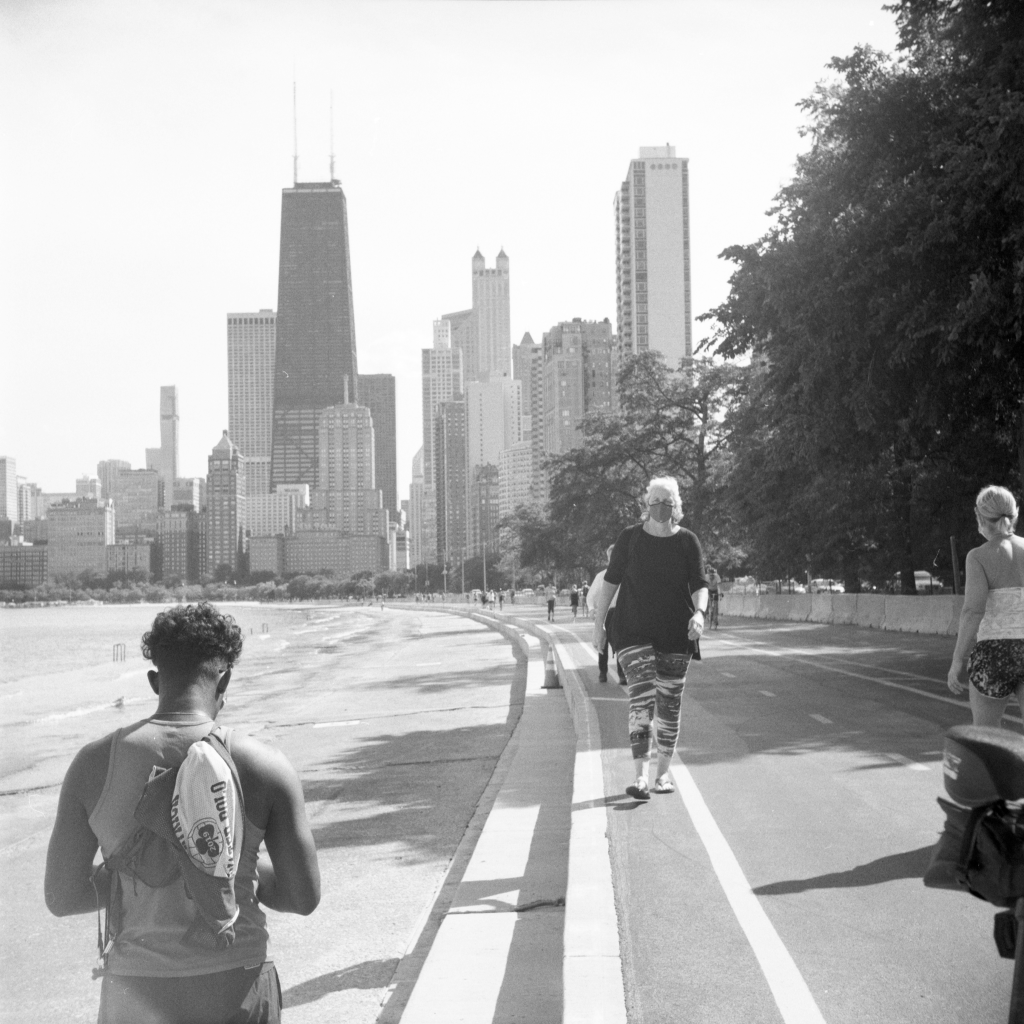
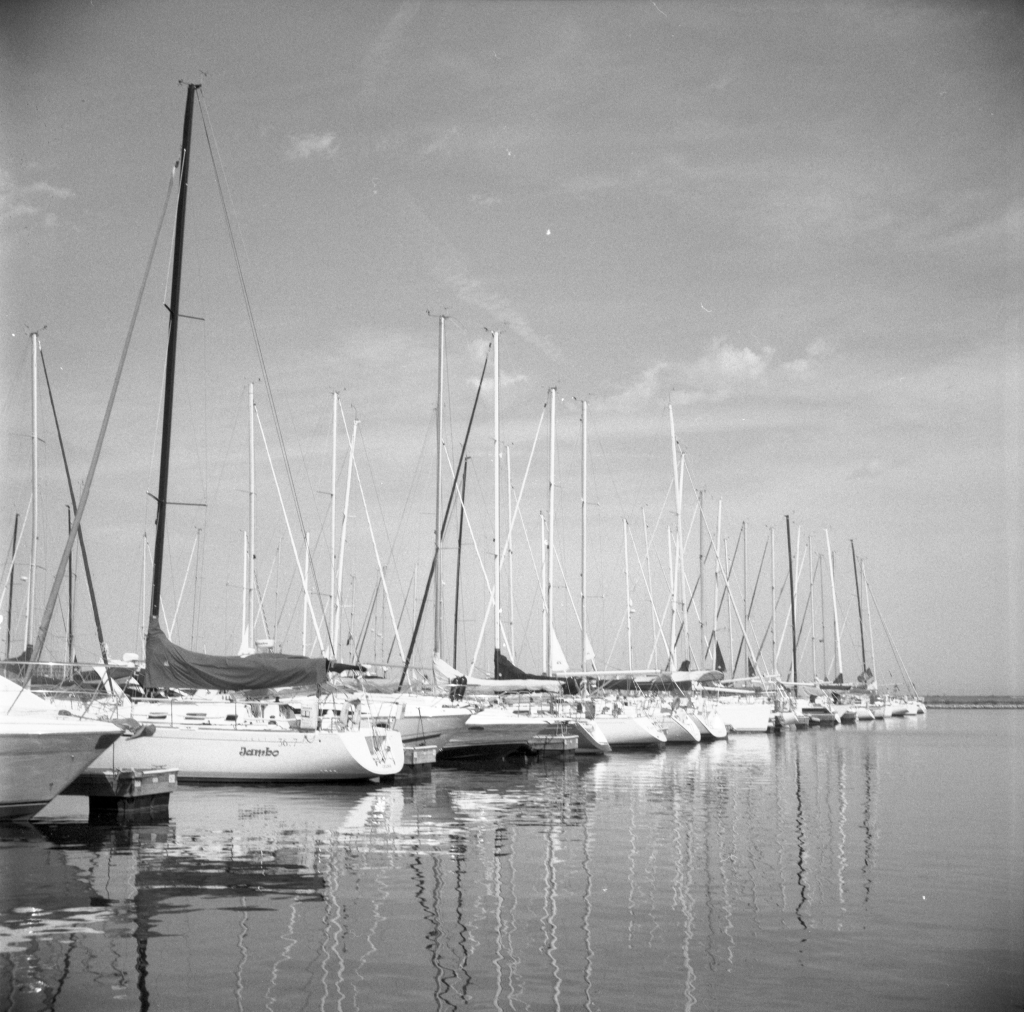
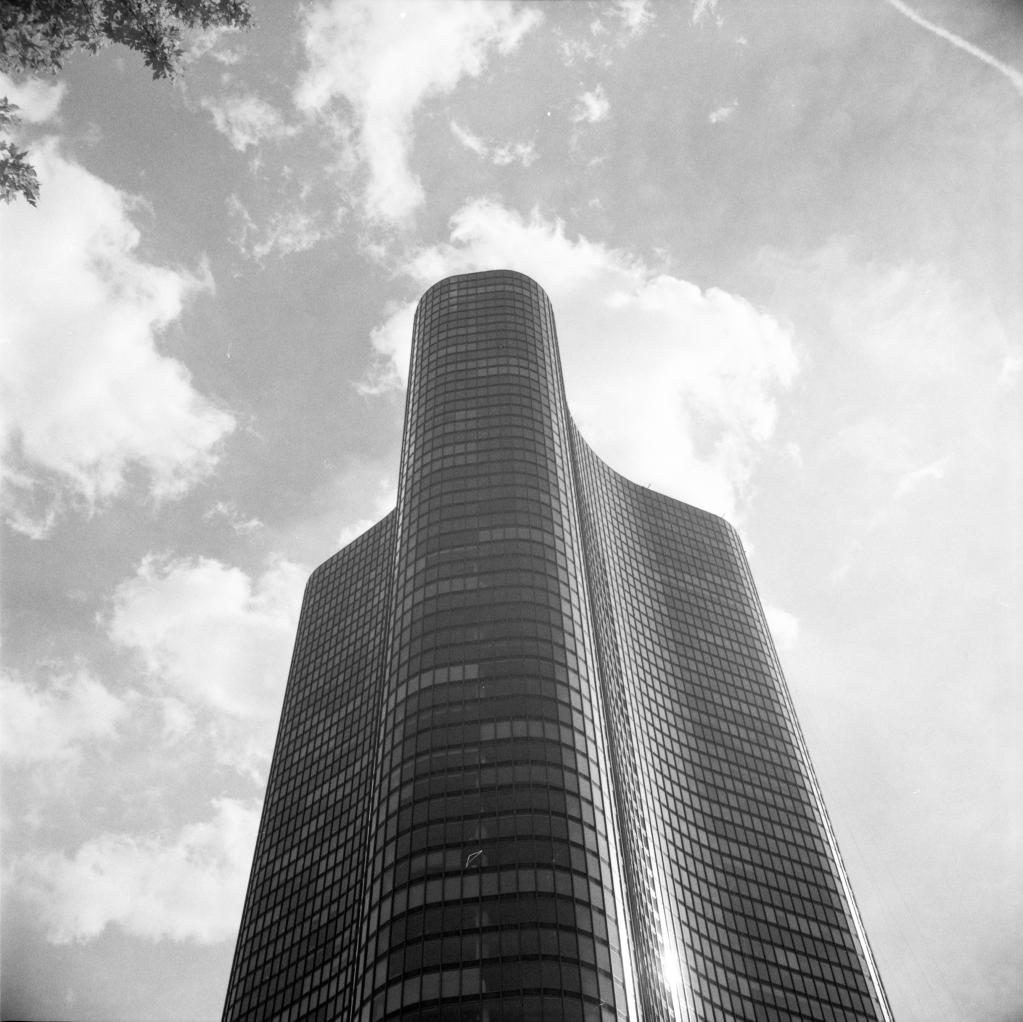
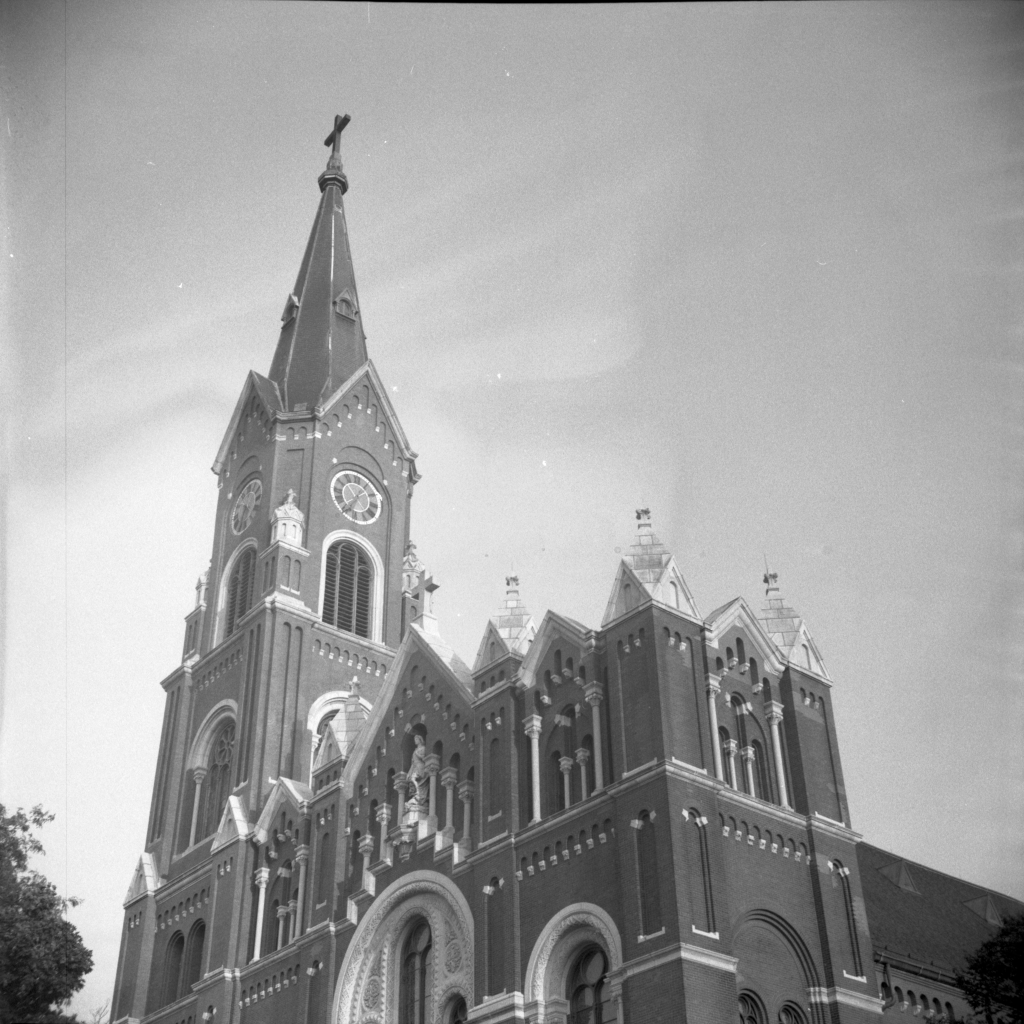
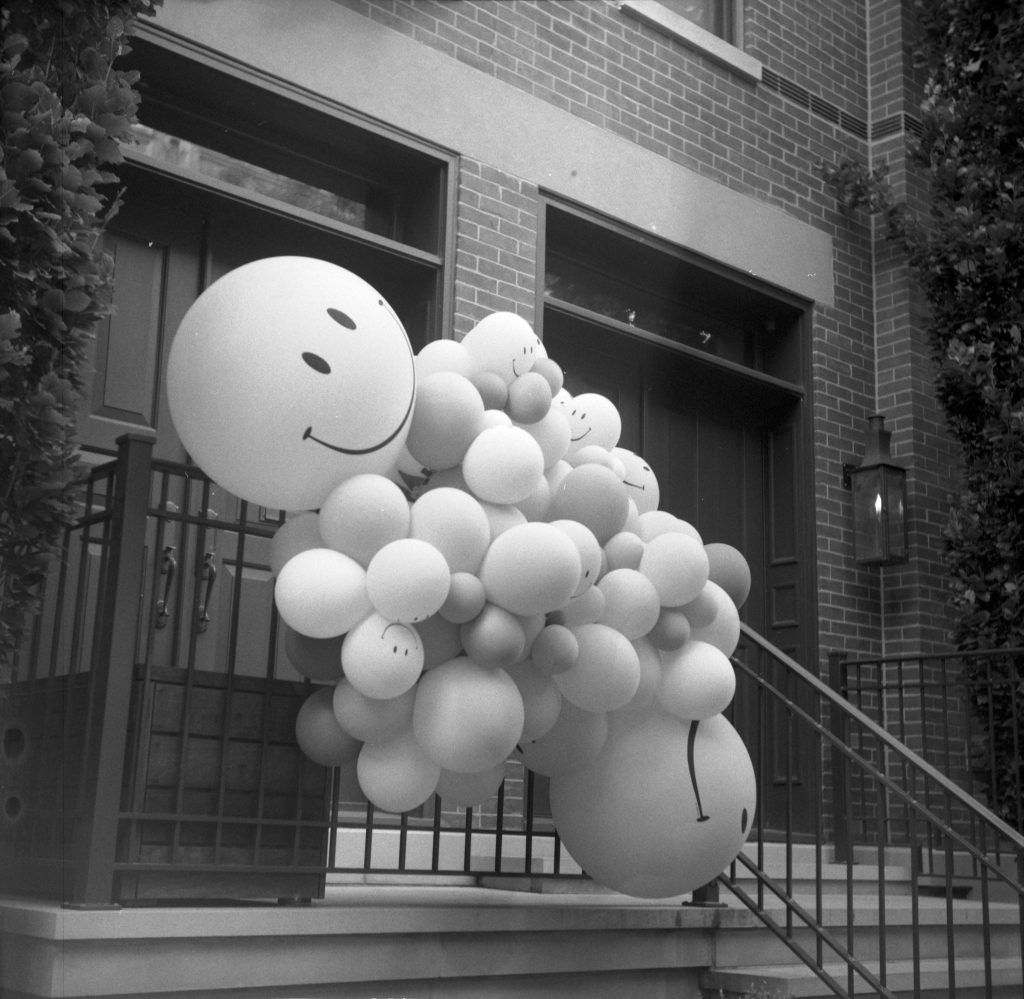
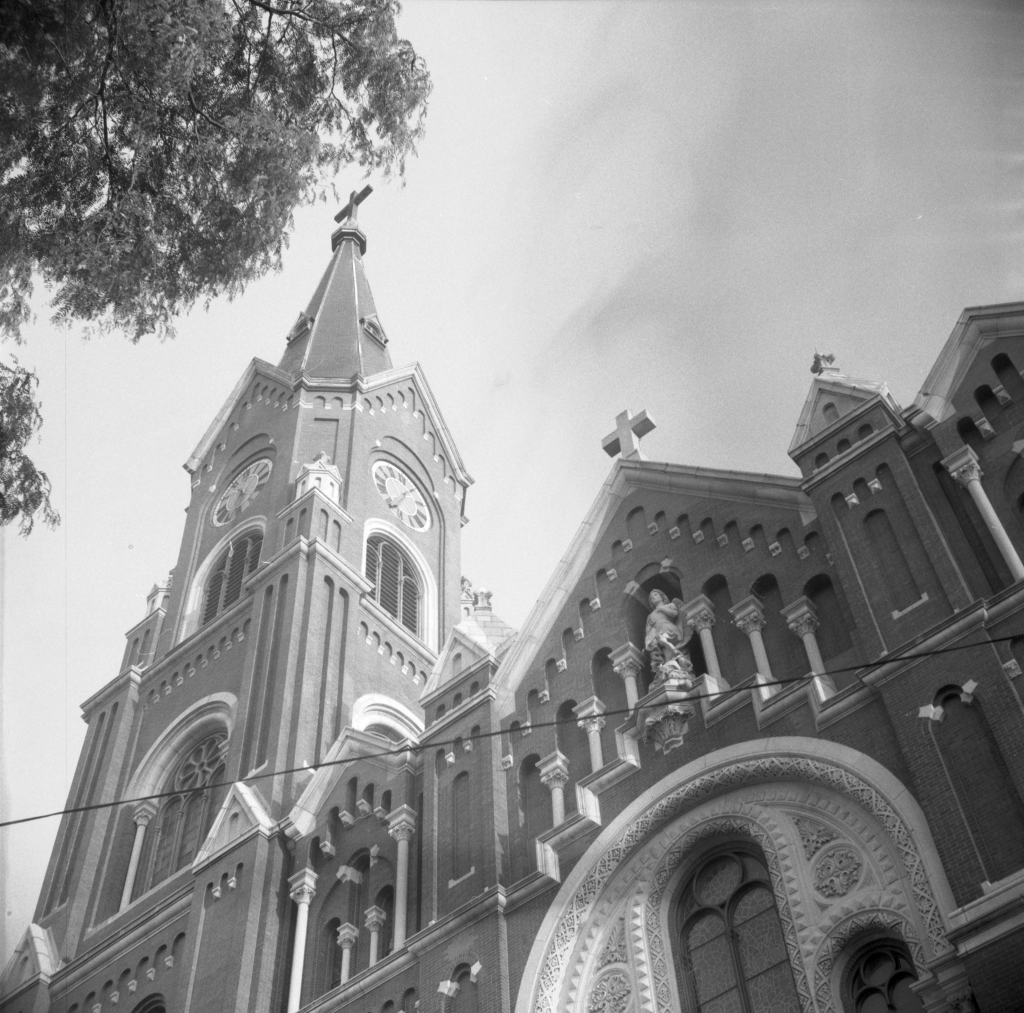
For my first photographs with this thing, I’m pumped. It is a much different film frame aspect ratio shooting on a 6×6 square. It’s going to take time to get used to the waist level viewfinder, and it will take a few rolls to figure out this Tri Lausar lens, but there’s nothing more fun to me than seeing photographs get better and better as time goes on with use of a camera.
Until I can justify purchasing a Rolleicord, Rolleiflex, or a Yashica TLR – I’ll be experimenting with my $100 Toyocaflex. It is a beautiful camera, and takes even more beautiful photographs. I would recommend anyone on a budget looking to purchase their first proper TLR film camera to browse cameras similar to the Toyocaflex – like the Seagull 4a, the Ricoh Ricohflex, or the Mamiya Mamiyaflex. I’m delighted that I purchased it, and it has made a great addition to my collection.
Check out more of my images on Instagram here.
 Shutter Hunter