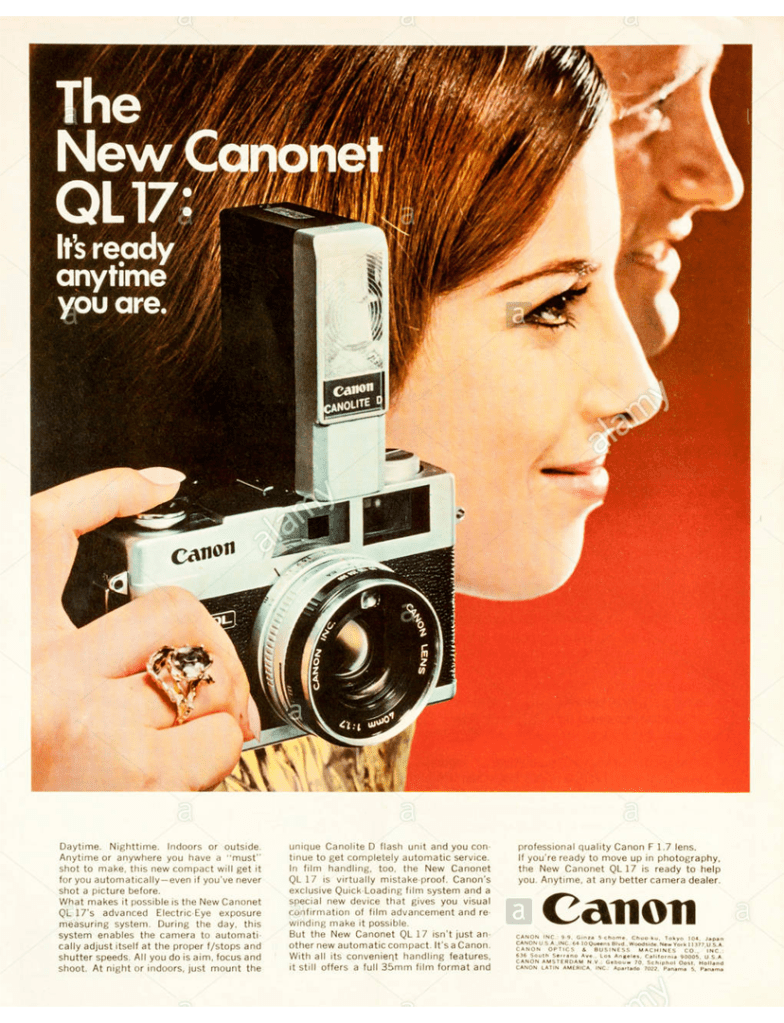
“The poor man’s Leica”. If you’re a film camera collector or historian, you know this phrase refers to the legendary Canon Canonet. This is a camera that is revered among the film camera community because it paved the way for some of the great consumer grade rangefinder cameras. From design, functionality, and price point – the Canon Canonet demanded attention from consumers and competing brands alike.
Do you think Canon expected this demand for the Canonet to extend into the year 2020? In my last post I talked about my first ever compact rangefinder, the Konica C35v. What I didn’t mention in that post is that I was always looking for a Canonet, and while I had chosen a C35v to buy first, I had my eyes on Canonets for a while. I was just waiting for the right one to pop up – and it did.
A Canonet QL17 with one minor functionality issue popped up on my eBay, and for a low price of $55 shipped – I had to make the purchase. The minor functionality issue was the film frame counter that was busted. This means that I would never know what frame number I am on. It was something I was willing to give up for the price. A little frame roulette never hurt nobody.

The Canonet QL17 that I found was officially the 10th Canonet model ever manufactured, following a family tree of iconic cameras. Below I will outline the general lineage of Canonet models in order:
1.) Canonet (1961)
2.) Canonet Junior (1963)
3.) Canonex (1963)
4.) Canonet S (1964)
5.) Canonet QL17 (1965)
6.) Canonet QL19 (1965)
7.) Canonet QL25 (1965)
8.) Canonet QL 19E (1965)
9.) Canonet 28 (1968)
10.) "New" Canonet QL17/QL17-L (1969)
11.) "New" Canonet 28 (1971)
12.) "New" Canonet QL19 (1971)
13.) Canonet G-III 17 (1972)
14.) Canonet G-III 19 (1972)
To read more on each of these models, check out Canon’s vault of information here.
The Canonet was meant to be the rangefinder for the masses. As you can see from above, Canon tweaked the Canonet tons of times to make sure each segment of the market was covered – and everyone who wanted a Canonet could have a Canonet with unique features. My particular Canonet QL17 (dubbed the “New” QL17 when manufactured) is one of the most well-rounded models. It is smaller than most Canonet models, and gives the shooter plenty of control over photograph composition. The specifications are as follows (scroll right if on mobile):
Shutter Speeds: B, 1/4s, 1/8s, 1/15s, 1/30s (flash sync), 1/60s, 1/125s, 1/250s, and 1//500s
Lens: 40mm f/1.7
Viewfinder: Parallax correction
Metering: CdS cell - shutter priority mode with "Auto"
Batteries: PX625
Unique Features: Canon Quick-Loading System (QL)
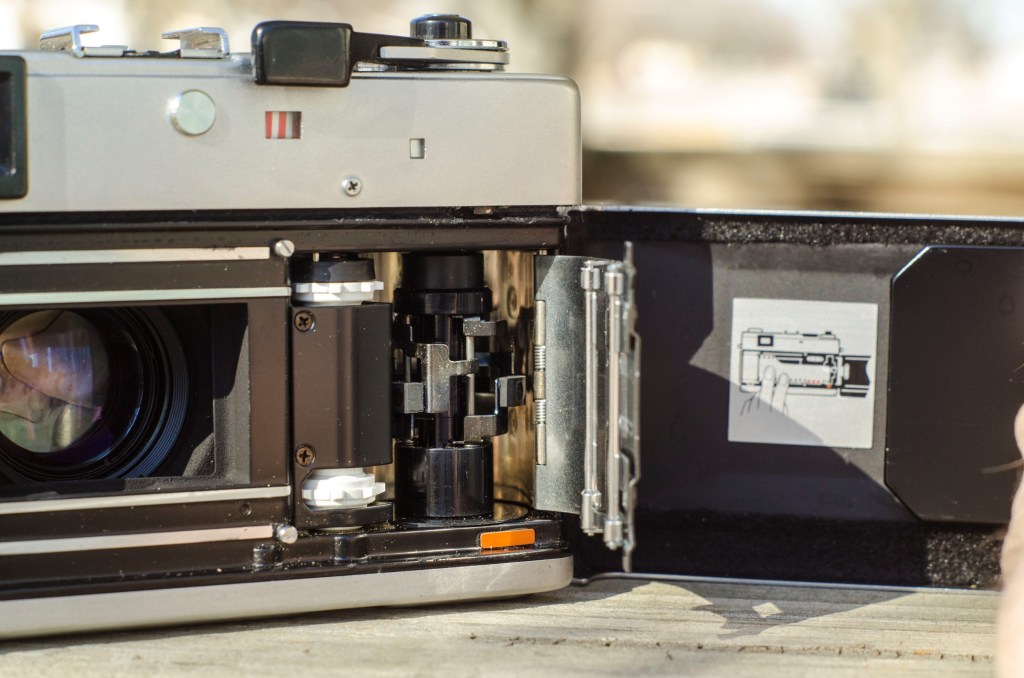
Perhaps the coolest part about shooting with this camera is the QL system. Canon learned that their customers were having trouble loading film into cameras – so they streamlined the process by patenting the Quick-Loading system. This system was integrated into the Canon FT SLR line as well as the Canonet line, and as a person who has loaded film countless times with it I will tell you that it is an easy process. Below is an image of the QL system, where the camera user is to simply lay the film roll leader below the mechanism, close the back of the camera, and advance the film. There are no annoying “thread the film leader into the spool” moments with these QL cameras, and I love it.
The QL17 is a very compact and lightweight camera. It only weighs about 620 grams, or 1.3 lbs. This, along with the wide 40mm lens and QL system make it a great camera for street photography. The compactness and usability of this camera makes it incredibly easy to take anywhere – toss it in your bag and be ready to make pictures quickly and with ease.
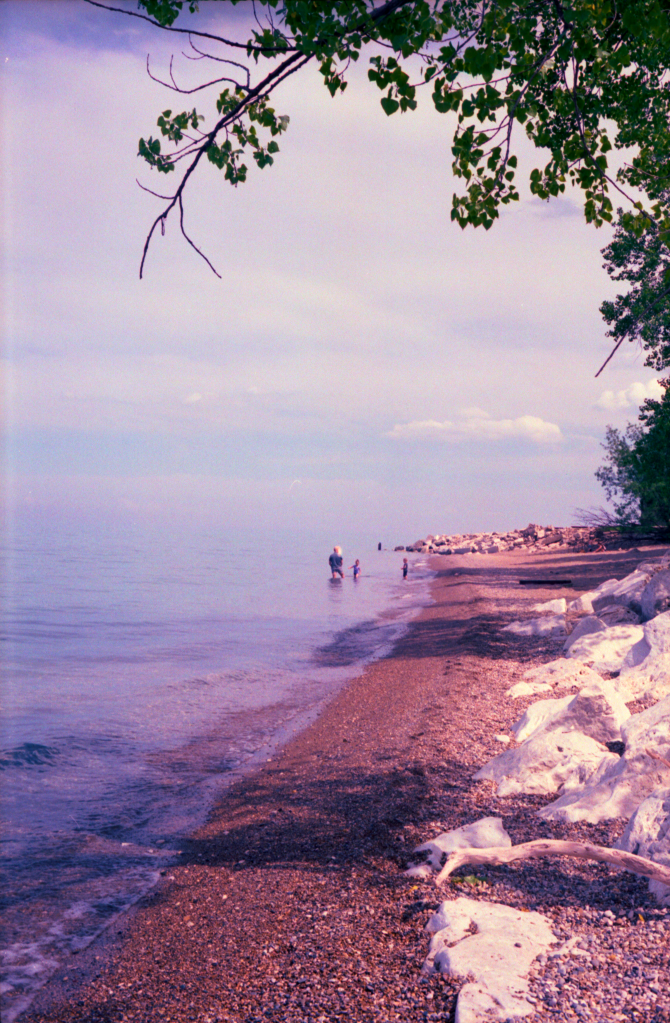
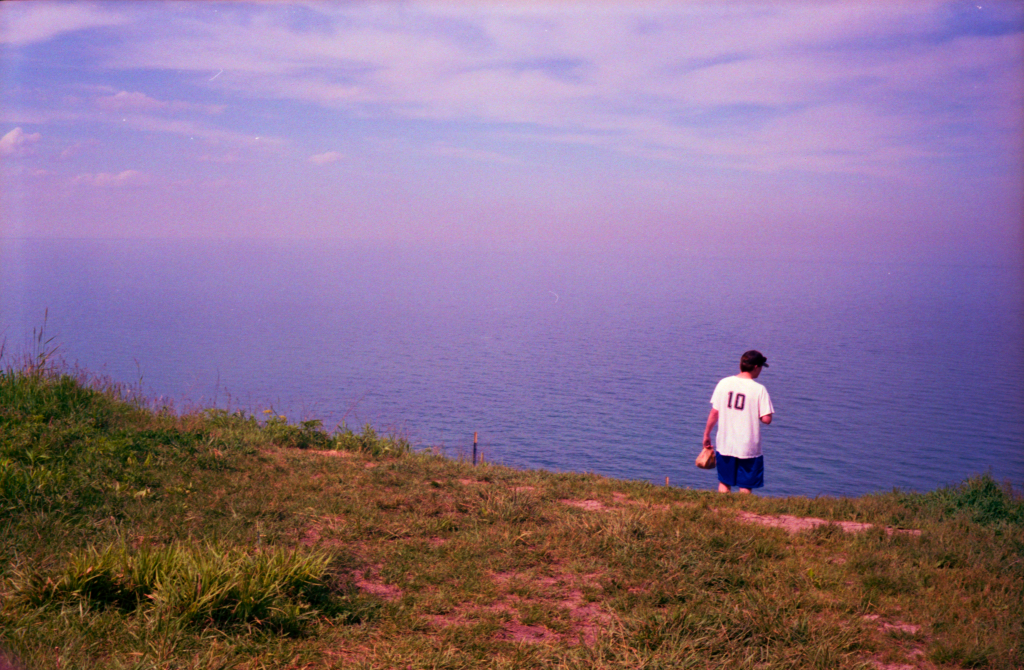
I’ve grown and learned a ton with this camera. It was my first rangefinder with true parallax focusing and it was the camera I used when I first self developed a roll all on my own at home. I’ve gone for so many street photo scouts with this camera tucked away in my crossbody bag, and I look forward to walking countless miles more with it. Even with a broken frame counter, this is my favorite rangefinder camera that I own. Below are some photographs I’ve taken with this camera, check them out.
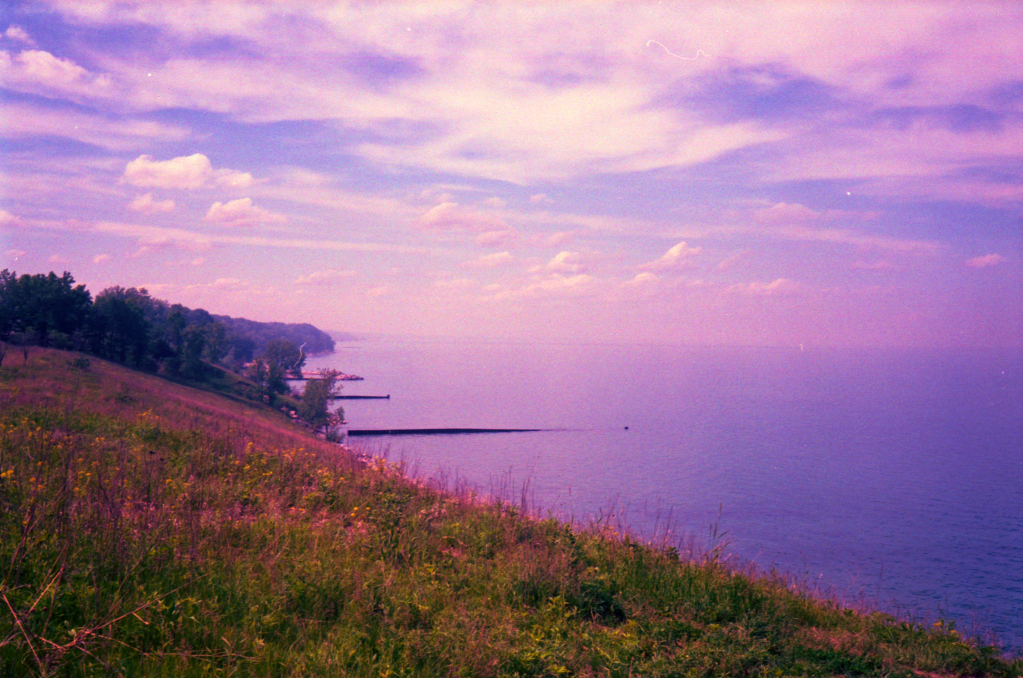

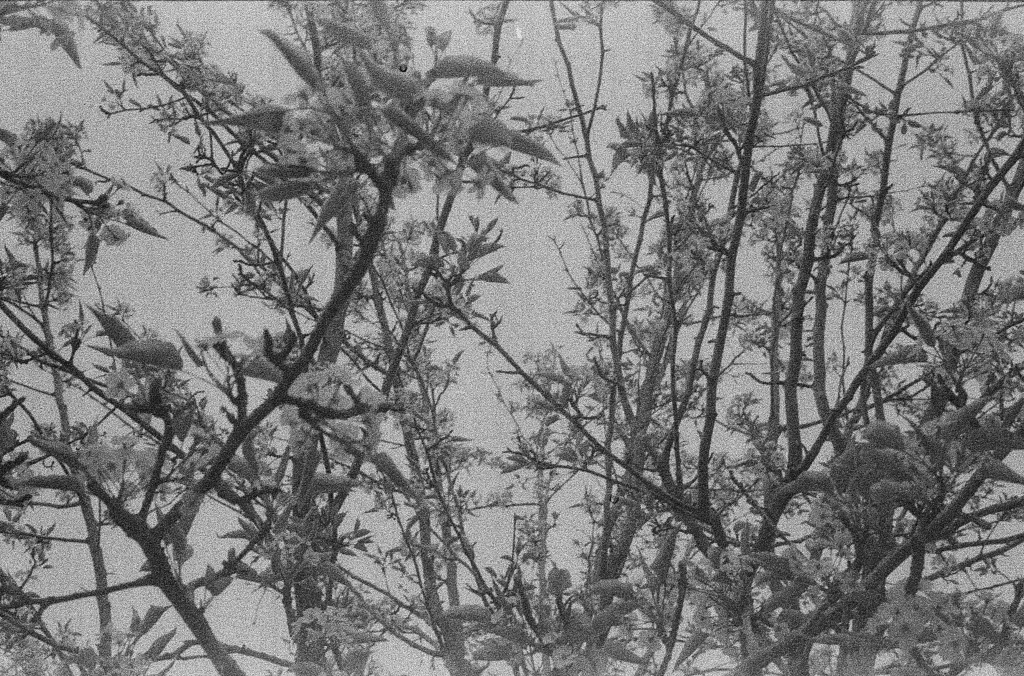
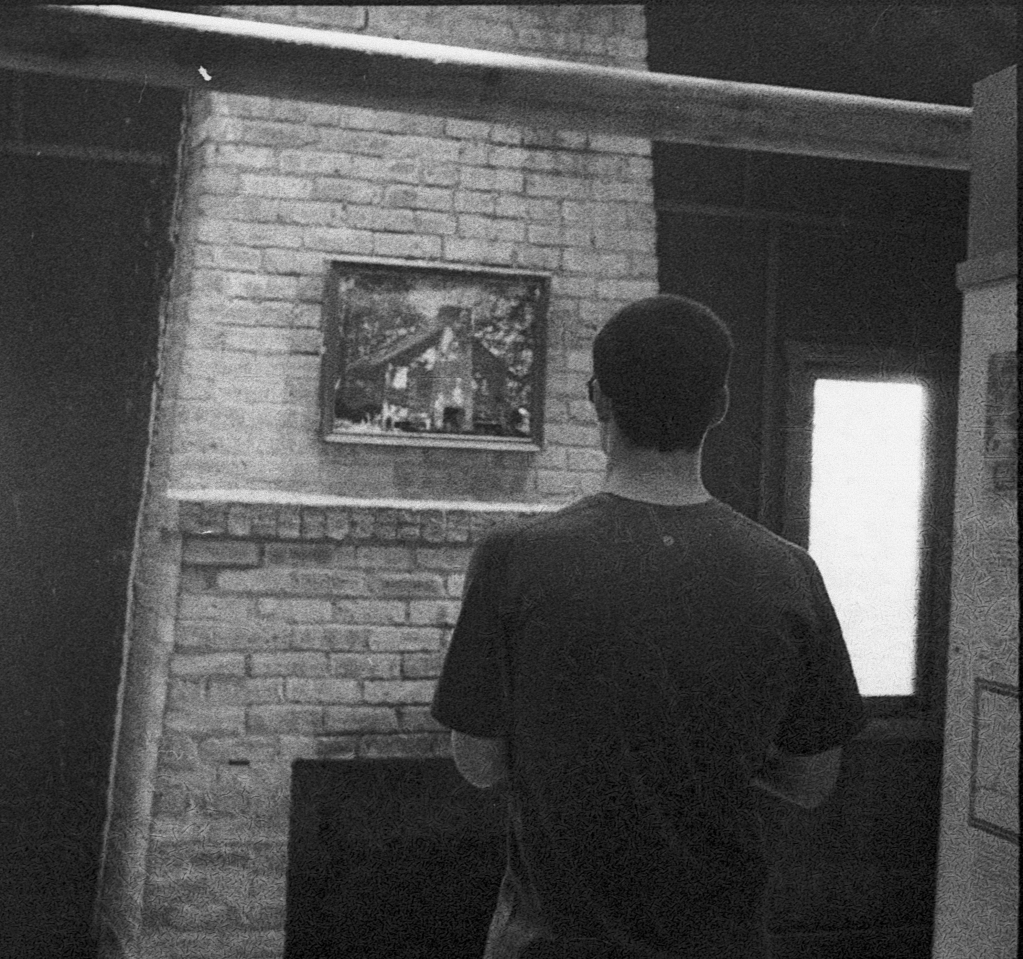
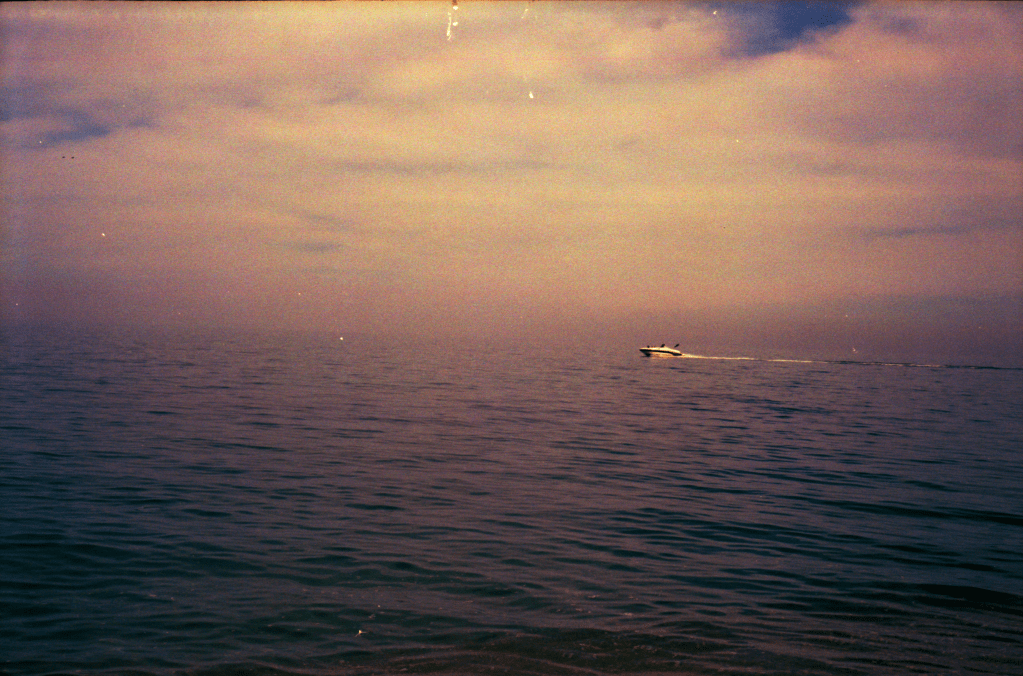
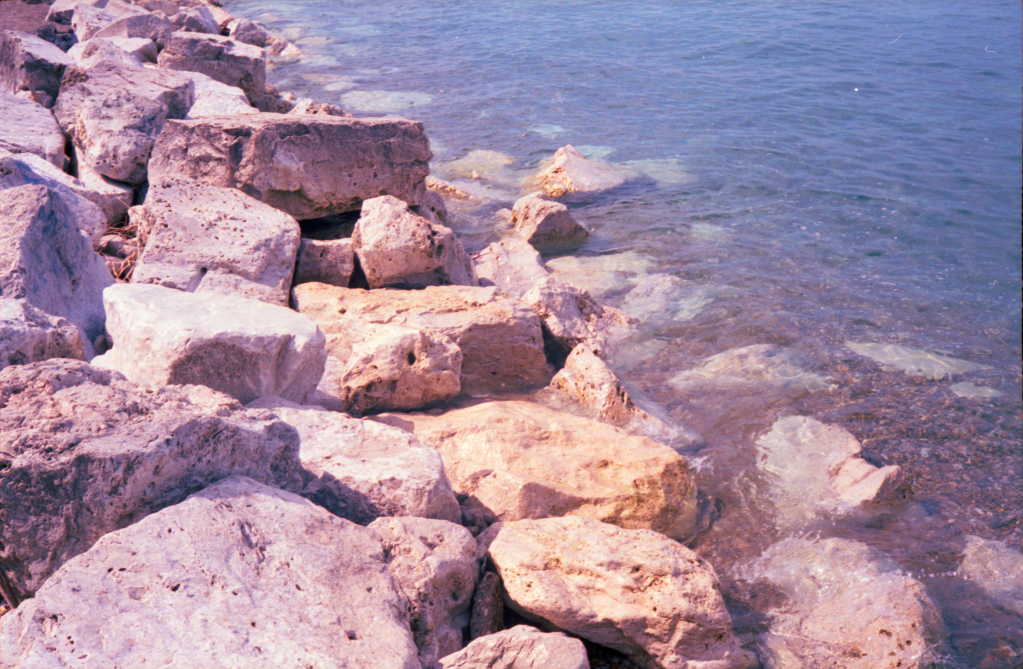
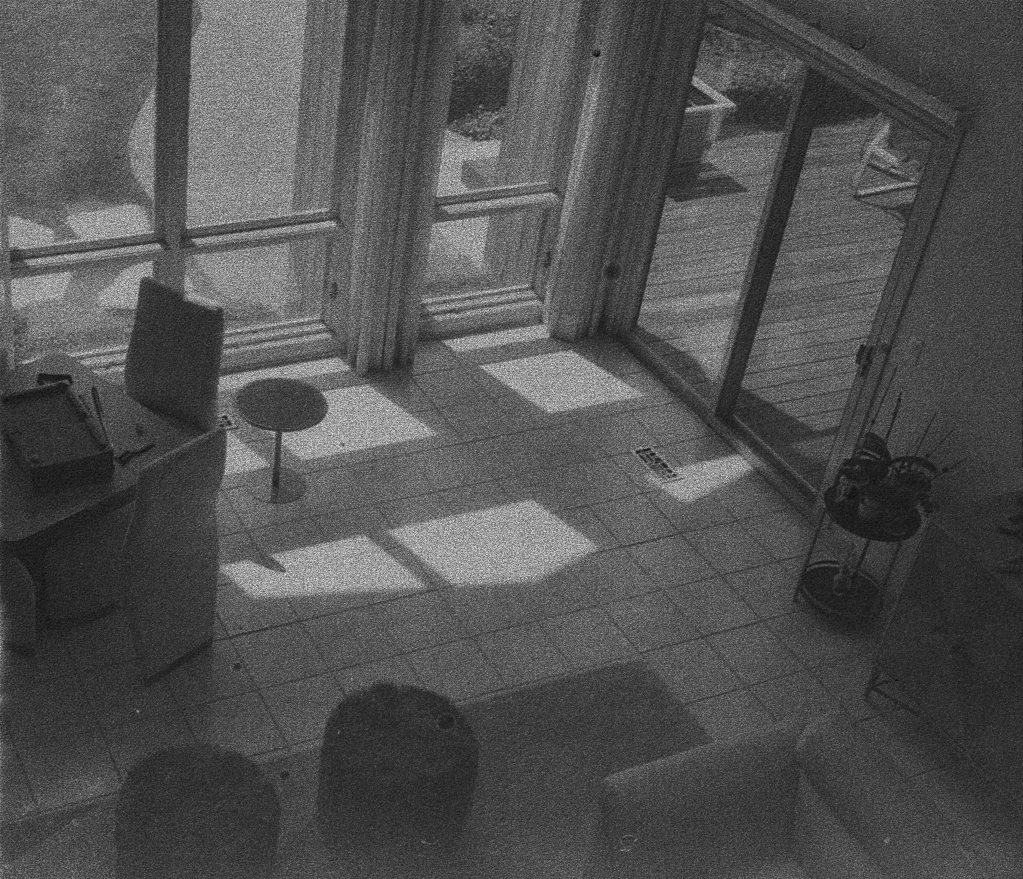
Those black and white photos look kinda weird, right? As I mentioned, these were among the first photographs I developed on my own at home. After a few more developing jobs at home, I fixed the grain that you see on these images and I can’t wait to show you. Stay tuned for my next blog on my journey developing with Cinestill DF96.
I love shooting with this camera and plan to shoot this thing until my right finger can’t press a shutter button anymore. I highly recommend you pick up a Canonet QL17 if you have the opportunity – it is a sturdy, sharp, incredibly well designed camera that you will not be disappointed in. If this is camera counts as “a poor man’s Leica”, I am a very happy poor man.
If you enjoyed reading this blog, check out my full blog feed here. Follow my Instagram at @onedaywedie.
 Shutter Hunter